
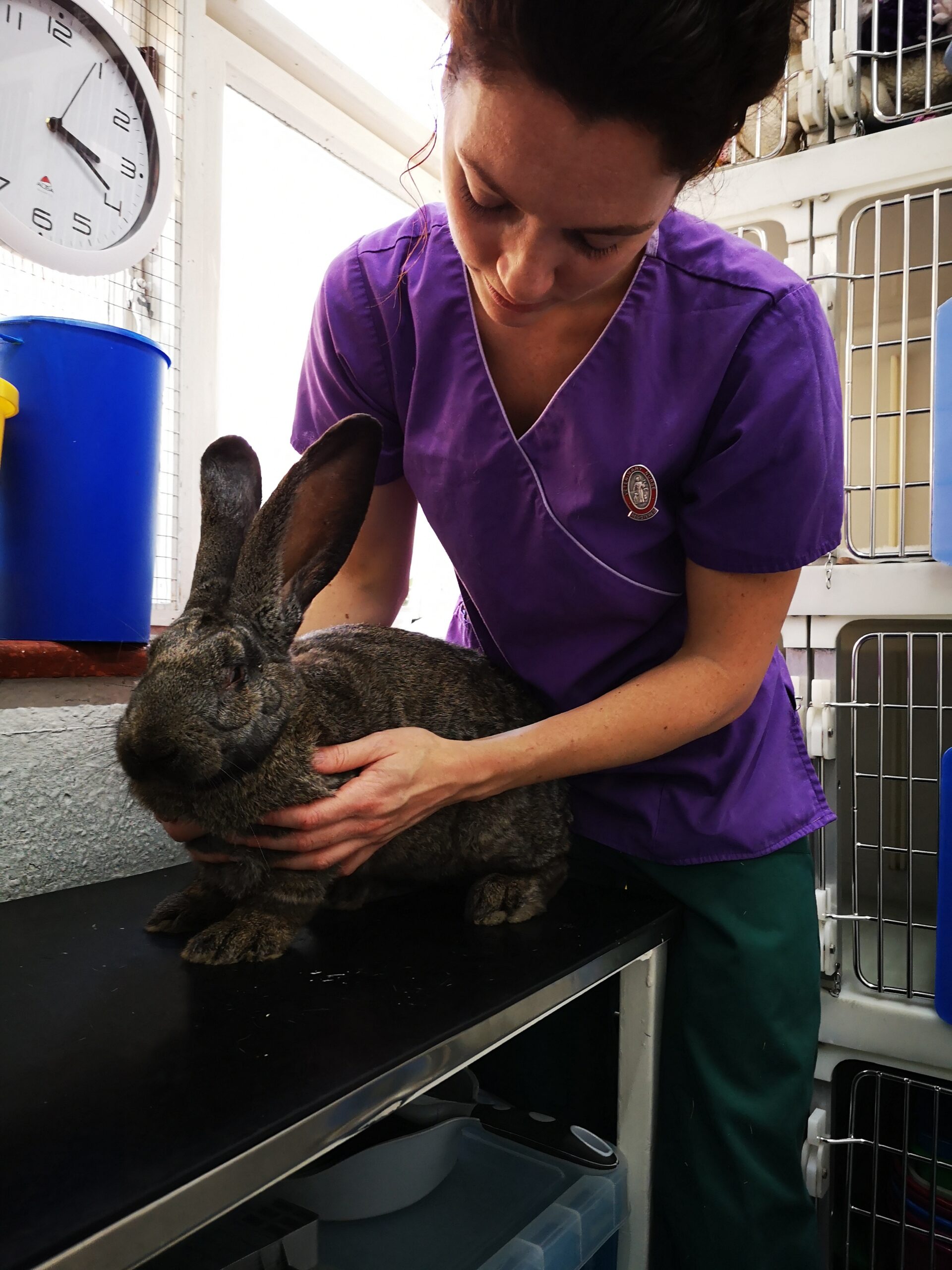
When we think of veterinary professionals, we often imagine compassionate caregivers, dedicated animal lovers, and hardworking heroes in scrubs. But behind the scenes, the reality for many working in the UK veterinary industry is far more complex — and often deeply challenging.
Mental health struggles amongst veterinary professionals have been rising, and the issue is no longer something we can brush aside. It’s time to talk about it.
As a Registered Veterinary Nurse, I see the struggles first hand amongst my colleagues and within the wider veterinary community. I can genuinely say 99% of the vets, veterinary nurses and support staff that enter this job do it for one main reason: their love for animals. Unfortunately, as you will see below, the statistics of veterinary professionals struggling with their mental health are shocking and it’s due to multiple factors.
The State of Mental Health in the Veterinary World
Recent studies have shown that UK vets are at a significantly higher risk of suicide than the general population — a deeply alarming statistic. According to the Royal College of Veterinary Surgeons (RCVS), around one in five veterinary surgeons has experienced suicidal thoughts at some point in their career.
But it’s not just vets. Vet nurses, reception staff, and practice managers are also affected by the intense pressures of the profession.
So, what’s driving this crisis?
Key Stressors in the Industry
Long Hours & High Workloads
Many veterinary professionals work extended hours, often under-staffed and overbooked. Emergency cases, surgeries, and back-to-back consultations leave little time for rest, reflection, or recovery.
A 5 o’clock finish does not exist in the veterinary world – if we have patients in the hospital that require our care, we are not going to leave them just because it is the end of our shift. It may be a surprise to hear, but vets often do not get paid overtime, so the extra hours that they spend ensuring patients are stable and comfortable are of no monetary value to that professional. Even when we do get to go home to our loved ones and own pets, our brains do not shut off, especially if there is a patient/multiple patients under our care that we are concerned about. I know many vets and veterinary nurses who lose sleep over their patients and only fully relax when they see that pets return healthily to their owners.
Emotional Toll
Dealing with sick or injured animals is emotionally difficult. But it’s not just the patients — it’s the people too. Managing client expectations, delivering bad news, and facing difficult euthanasia decisions can take a serious emotional toll.
These elements of the job never get any easier… as a veterinary nurse of almost 10 years, I learnt early on to put my feelings aside when patients need me. I have seen some horrific trauma cases, patients that are very sick and witnessed many heart-breaking moments in this job. When my patients need me the most, I am calm, provide comfort and ensure they receive the treatment that they desperately need. It is when a fellow nurse takes over and I can take a step back that those emotions flood in.
Financial Pressure
The financial challenges of running or working in a clinic can be significant. From student loan debt to client disputes over treatment costs, money is a common stressor — especially when care decisions are constrained by budget.
The cost of living crisis is real and causes a lot of heartache and stress to owners who are struggling. Veterinary bills aren’t cheap and, like everything, they seem to be rising. My recommendation to every pet owner is to ensure their pet is insured (it is important to carefully read the conditions of the policy). I understand this is still an expense, but it is invaluable when/if a pet falls ill or has an accident.
Unfortunately, for animals, there is no NHS and medical care costs money. In the UK we are lucky enough to have the NHS, but it also means the public has no real understanding of how much medicine, expertise, equipment and around-the-clock care costs.
Lastly, the front-of-house staff such as receptionists, vets, and veterinary nurses do not have any control over pricing. However, we are the ones who get the brunt of the dismay of pet owners. All I ask is that pet owners bare this in mind before they let their frustrations out on the very people who are trying to help their pet. Kindness and understanding go a long way.
Compassion Fatigue & Burnout
When you’re expected to constantly care for others — whether animals or humans — it’s easy to neglect yourself. Compassion fatigue is real, and it can lead to exhaustion, irritability, and eventually, burnout.
I have seen this on a daily basis – whether it’s a vet who misses their lunch break so that they can get their treatment list finished, a nurse who leaves hours late, missing an important anniversary or occasion, or staff putting off their own medical appointments because they can’t take an hour out of a manic day.
Social Media & Online Abuse
In today’s digital world, vet professionals sometimes face public criticism, negative reviews, or even online abuse from dissatisfied clients — which only adds to the emotional burden.
Again, all I ask in this situation is a bit of kindness and understanding. Please remember that behind those scrubs is a human being trying their best.
What’s Being Done — and What Needs to Change
Thankfully, awareness is growing. Organisations like Vetlife, Mind Matters Initiative, and the British Veterinary Association (BVA) are working to provide resources, counselling, and peer support for those in the industry.
But more systemic change is still needed:
- Better mental health training in vet schools and clinics
- More support for early-career vets and nurses
- Normalising help-seeking and reducing stigma
- Re-evaluating workloads and improving work-life balance
- Creating safer, more respectful workplace cultures
What can we all do?
If you’re a fellow veterinary professional:
- Please don’t suffer in silence. Reach out to a friend, colleague, or support line.
- Prioritise self-care. You can’t pour from an empty cup (I know this is easier said than done!).
- Talk about it. Every conversation helps reduce stigma. Chances are, your colleagues feel the same.
If you’re a pet owner or client:
- Be kind. Veterinary teams are doing their best and are often under huge pressure.
- Respect boundaries. Emergencies happen, but vets are human too.
- A little patience and gratitude go a long way.
Mental health in the UK veterinary industry isn’t just a workplace issue — it’s a human one. These are the people who care for our beloved pets, offer support during difficult times, and dedicate their lives to animal welfare.
They deserve the same care and compassion they give to others every day.
So let’s keep the conversation going. Let’s listen, support, and advocate for a healthier, more sustainable future for everyone in the veterinary world.
Need help or support?
📞 Vetlife Helpline: 0303 040 2551 (24/7, confidential)
🌐 www.vetlife.org.uk